
3 Tips for Painting During the Winter
August 25, 2016Meet the Painter: Manuel
September 26, 2016

What is caulking?
Caulking is the material that seals around our windows, doors and between boards on corners, and in the middle of walls.

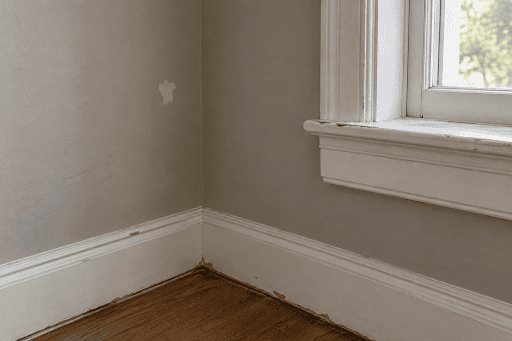
Cracked caulking next to corner board

Cracked caulking between 2 boards
There are many benefits of exterior caulking. It:
- Weatherproofs your home.
- Creates a more seamless look on your exterior.
- Protects the interior walls from getting wet and causing rot.
So how do I know if the caulking is bad?
- Look for cracks in the caulking (see pictures for examples), specifically if it has separated.
- You see water intrusions into your home.
- It’s been 10 years since you’ve painted your exterior. Chances are the caulking needs some touch-ups too.
Okay, okay, I get it – I should get new caulking. But what type?
Not all caulking is created equal, there are many types. ESP Painting recommends using an elastomeric caulking that has at least 100% elongation (how far it stretches)
Why do we need it to stretch?
Well, our homes move everyday! From sun up to sun down. The wood framing underneath expands and contracts with the temperatures, moisture and seasons. Flexible caulking helps keep these expansion joints sealed and protected.
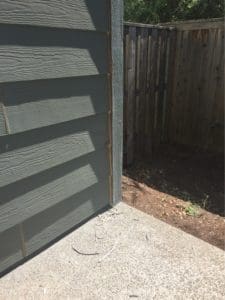
Another example of good caulking.

Here’s what good caulking should look like! Done by ESP, done right.
Why can’t we just caulk it? Can’t I just leave it and not paint over it?
Good idea, however exterior caulking is not made to perform by itself. It needs a partner – paint! The paint is the protector and will bond and flex with the caulking to protect your home.
Need some help? Contact us for an estimate!